Overview
A tool that helps marketers generate personalized email campaigns using AI and CRM data. Right now, teams building retention campaigns juggle multiple tools, drafting copy in docs, pulling segments from CRMs, and manually personalizing messages one by one. Selene gives them one place to connect their audience, generate a full campaign with AI, and preview personalized emails before they send.
Type
Pre-launch SaaS
Role
Product Strategist
Product Designer
UX Researcher
Year
2025
Problem
There's no tool that connects CRM data directly to AI-powered campaign generation. Marketers pull contact lists from one tool, write copy in another, and manually personalize messages, losing time and consistency at every step.
Hypothesis
If marketers could feed their CRM data into an AI system that generates complete, personalized email campaigns, with strategy, message flows, and per-recipient content, they could launch retention campaigns in minutes instead of days.
Solution
One workspace where marketers connect their audience data, prompt AI to generate a full campaign strategy and message flow, preview personalized emails per recipient, and launch, without switching tools or writing from scratch.
Users
Marketing managers
Retention marketers
Email campaign specialists
Founders
Customers
DTC and e-commerce brands
Mid-size consumer companies
Subscription-based businesses
Key Findings
Marketers write individual email variants by hand or use basic merge tags that feel generic.
Existing platforms like Klaviyo and HubSpot are powerful but demand expertise. Teams without a dedicated marketer end up underusing them or skipping campaigns altogether.
Teams have rich contact data like purchase history, behavior, and demographics but lack tools to translate it into meaningfully different messages per recipient.
MVP Roadmap
Research & discovery
Design & prototype
Validate & iterate
Build & Ship
Grow & expand
Dashboard
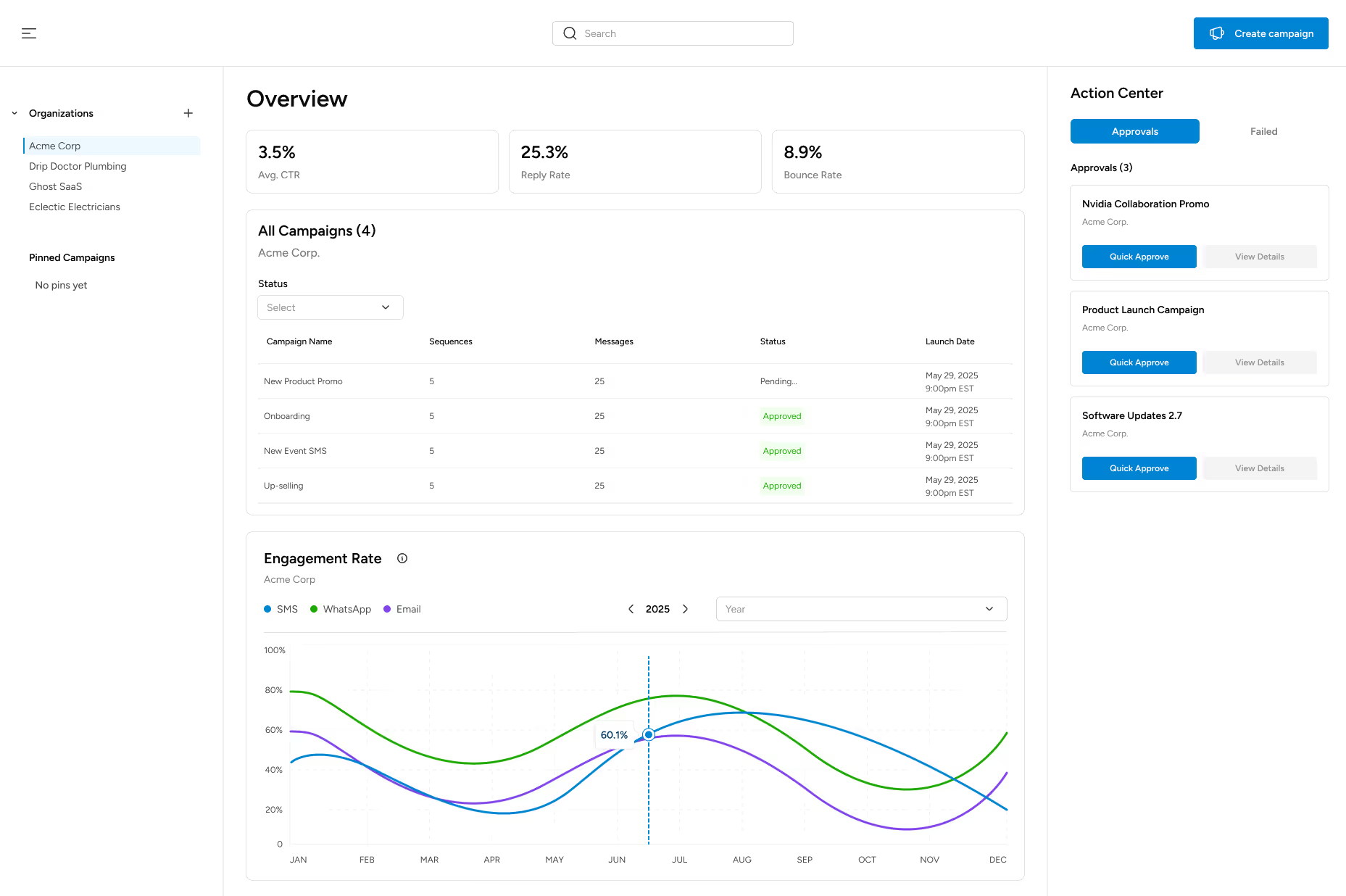
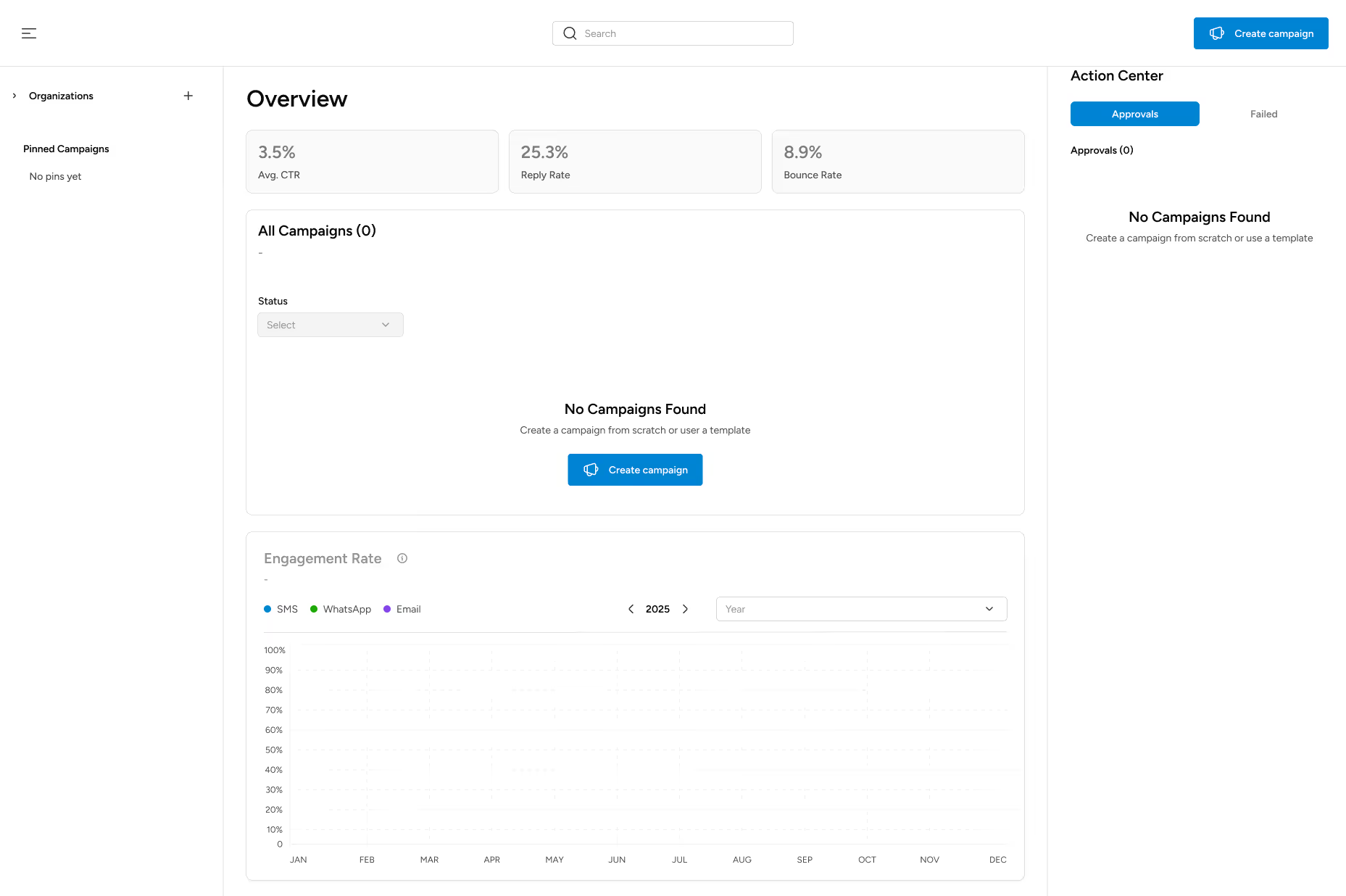
Selene’s dashboard provides a clear, hierarchical view of the marketing ecosystem—organizations contain campaigns, and campaigns contain messages.
Users can manage campaigns within each organization, track performance across email, SMS, and WhatsApp, and monitor metrics like CTR, reply rate, and bounce rate. The action center surfaces pending approvals and failed messages, keeping teams aligned and proactive.
Everything is structured for scalability, offering visibility from organizational insights down to individual campaign performance.
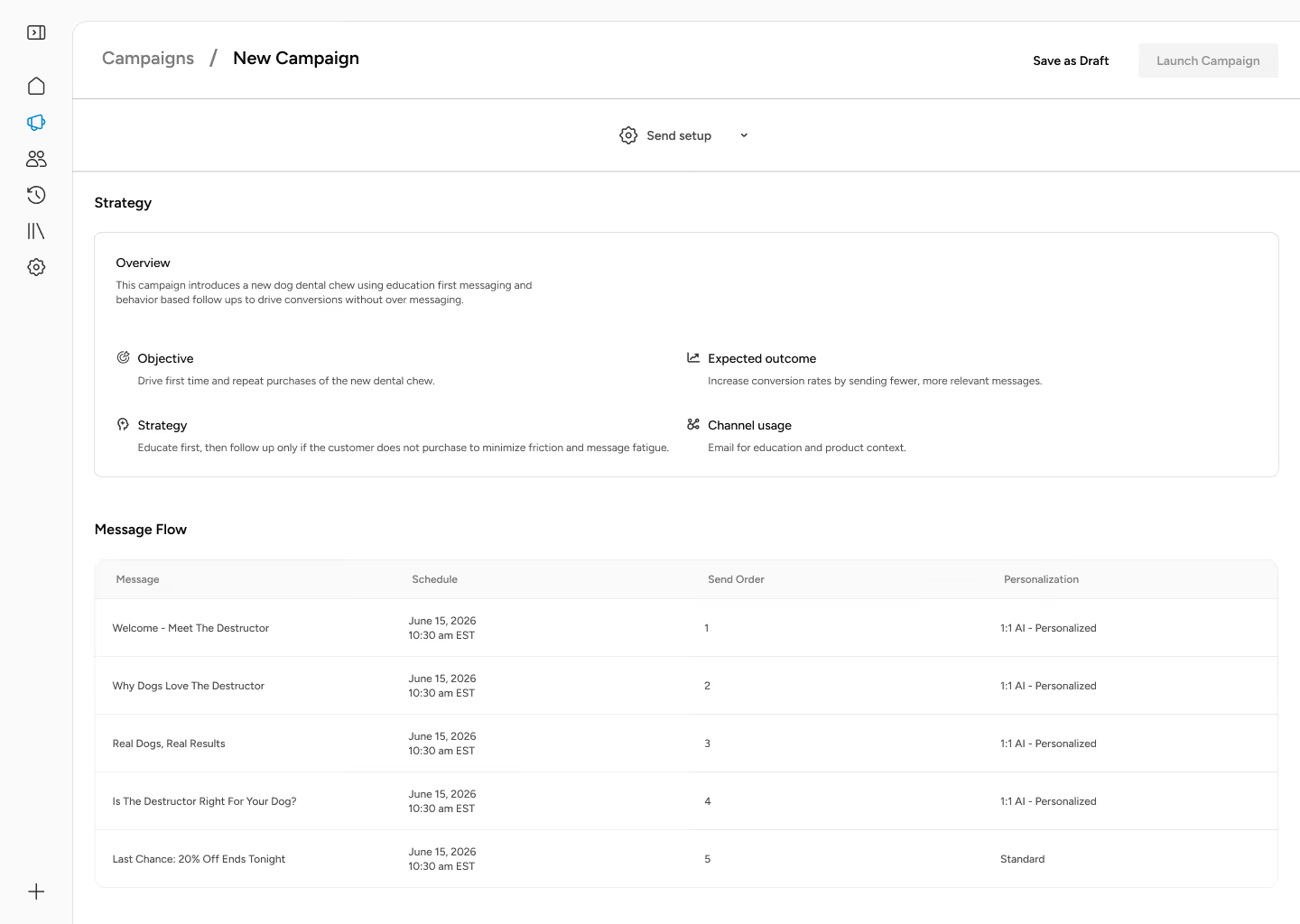
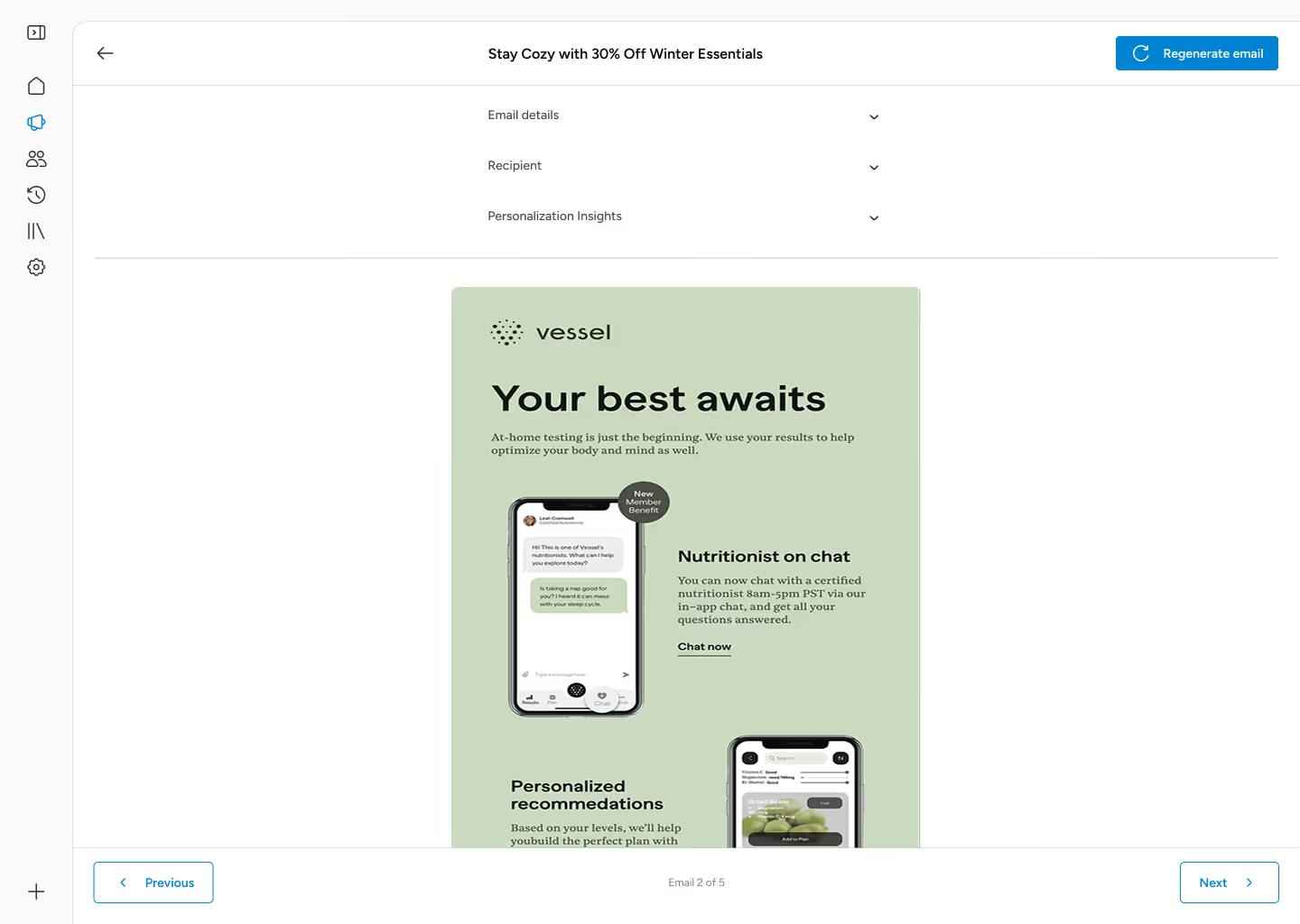
AI prompt to email campaign generation
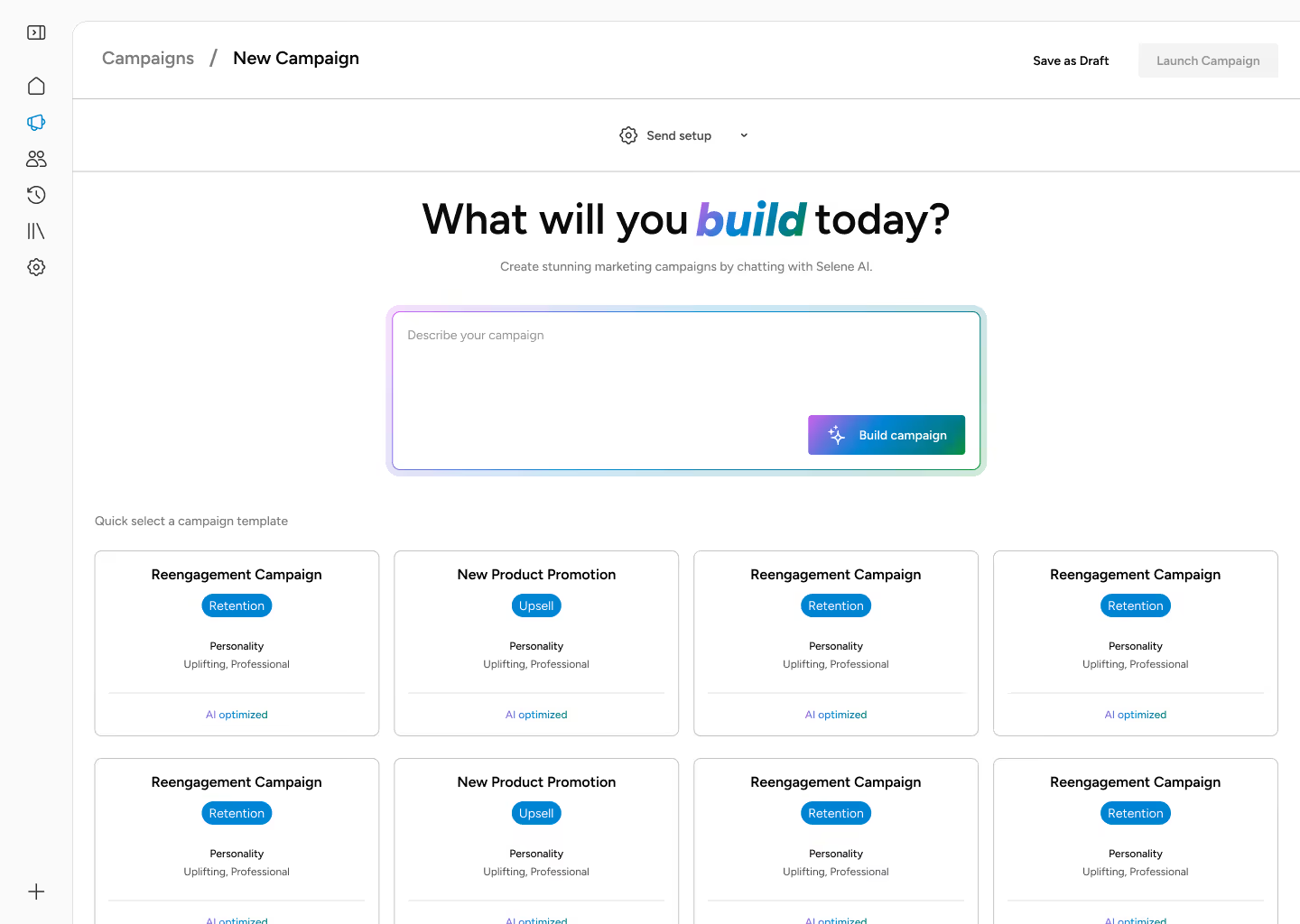
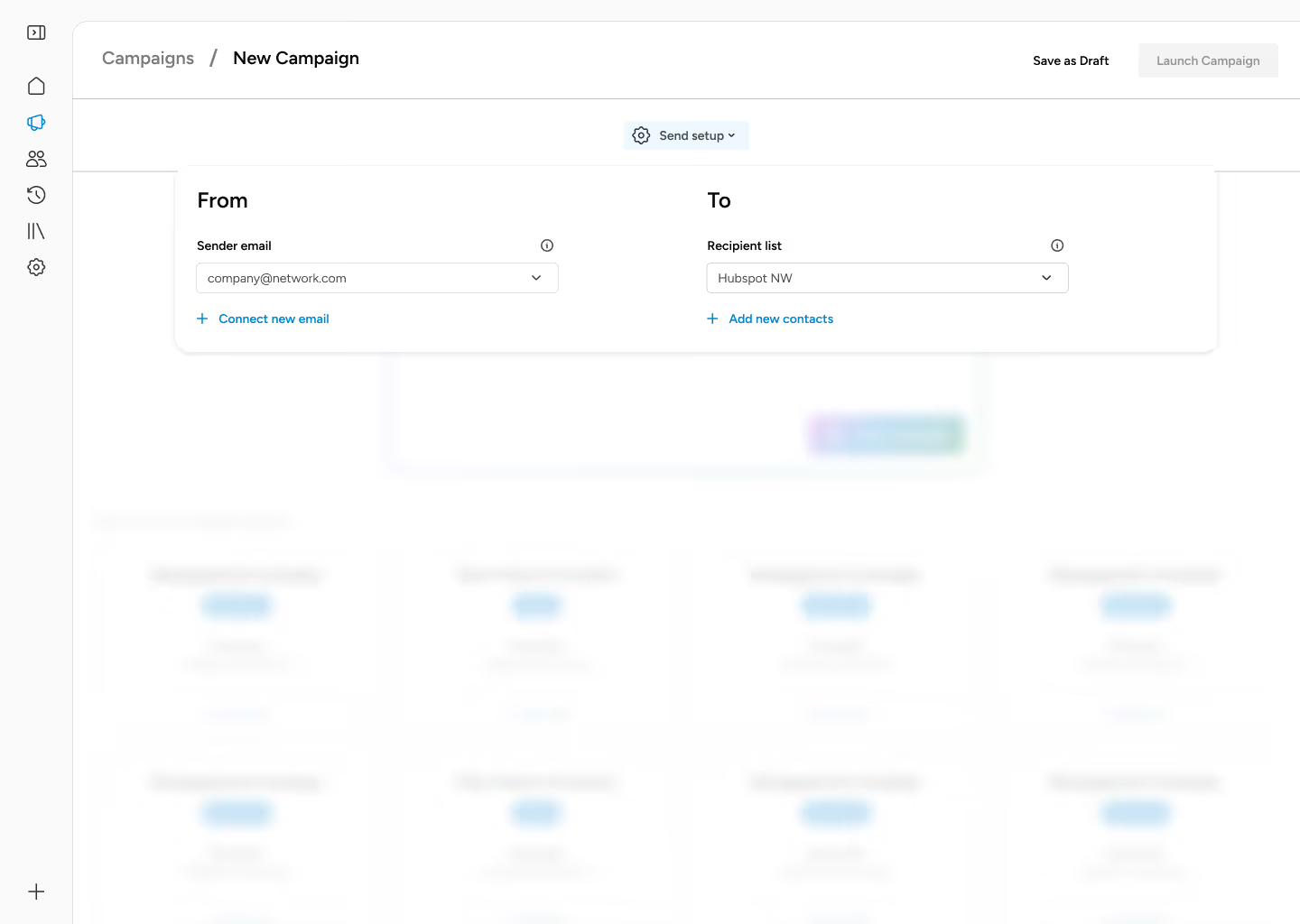
Selene's AI campaign builder lets users generate complete marketing campaigns through guided prompts. Fine-tune your output with built-in filters that shape tone, channel, and messaging style so the AI can delivers exactly what your brand needs. Connect your audience data, and Selene generates a full email campaign tailored to your segments.
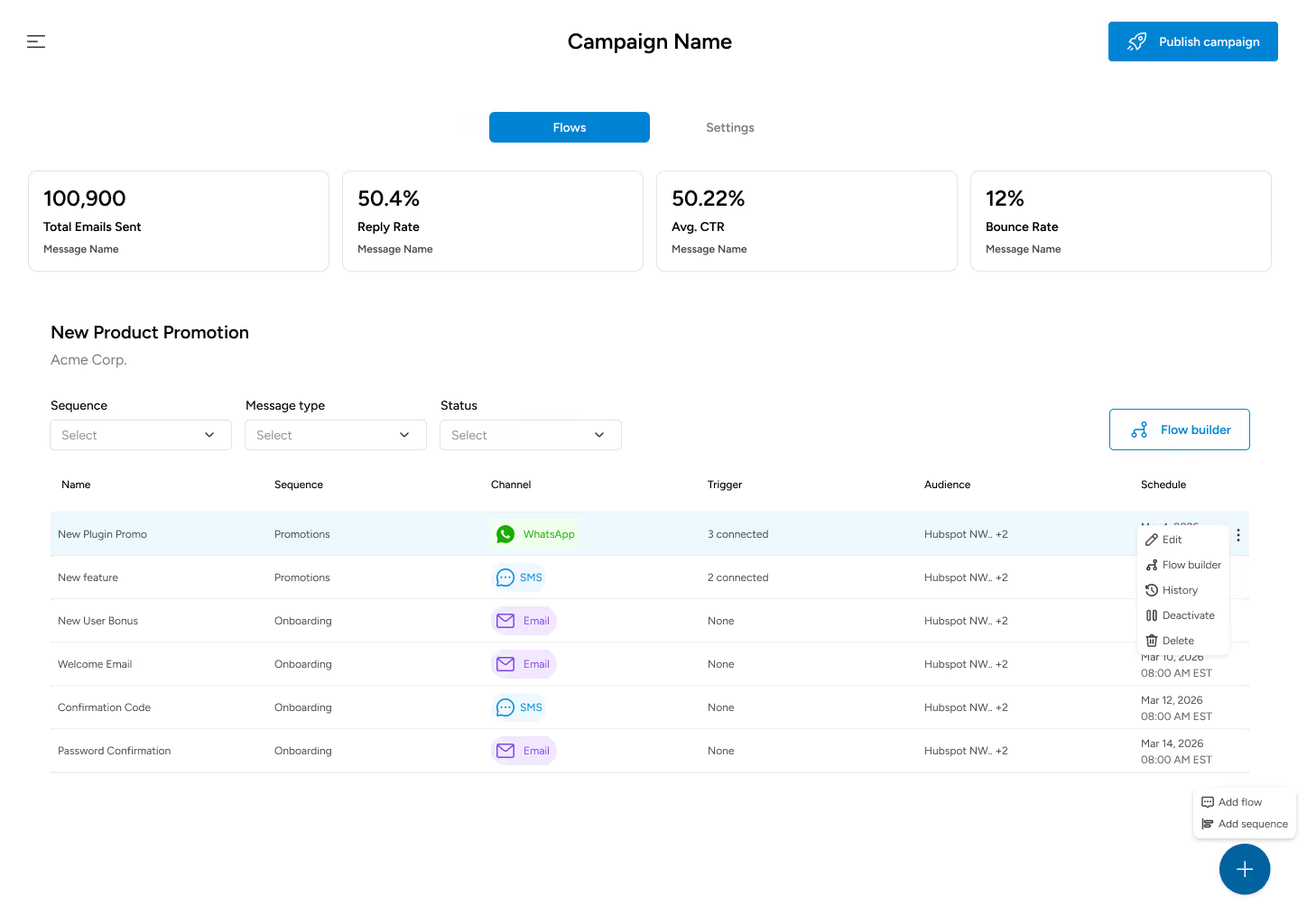
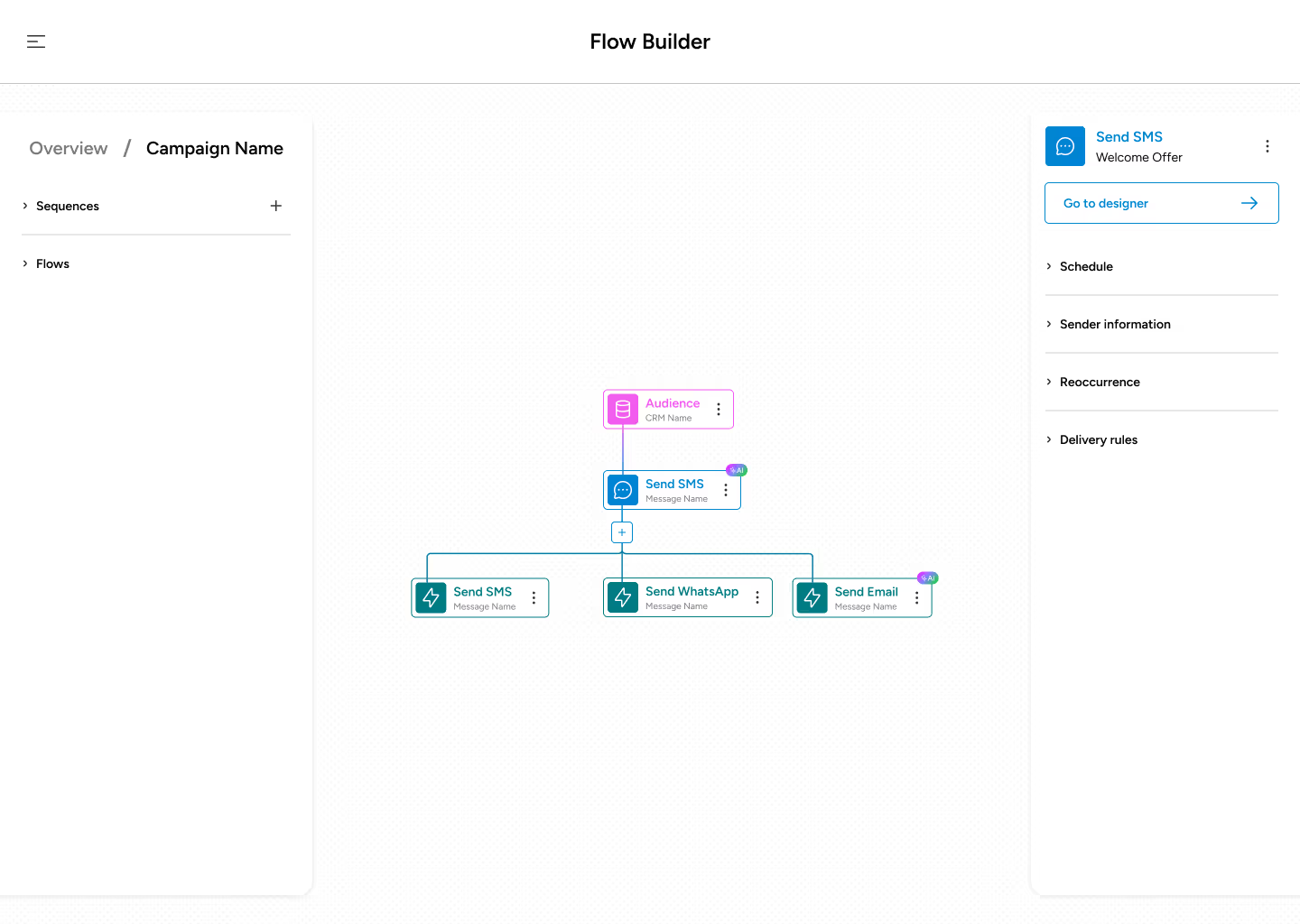
Campaign Creation Breakdown
The Flow Builder is where Selene’s automation becomes visual. Users design complete multi-channel journeys — linking audiences, triggers, and personalized messages in a single interface.
A guided setup helps define the goal, channels (Email, SMS, WhatsApp), and audience source before transitioning into the canvas. Each node represents a message or trigger. Selecting a node opens an inline editor where users can write copy or prompt Selene’s AI to generate tailored variants, preview personalized outputs, and attach dynamic CTAs.
Built for speed and clarity, the interface blends logic and creativity: branch paths, schedule sequences, and visualize message timing in real time. Approvals, testing, and collaboration are built in, allowing teams to review and launch campaigns confidently — all without leaving the workspace.
Audience Breakdown
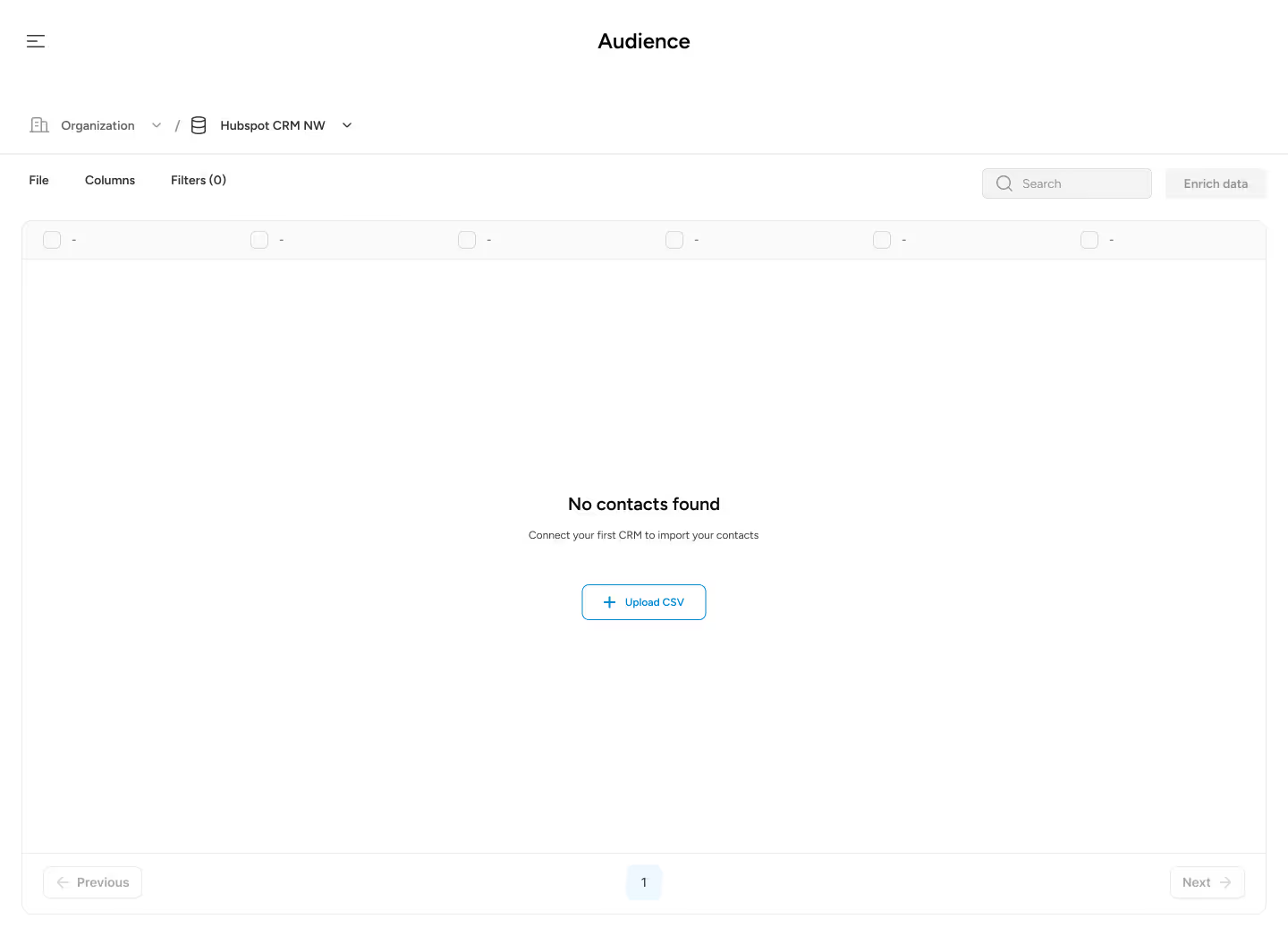
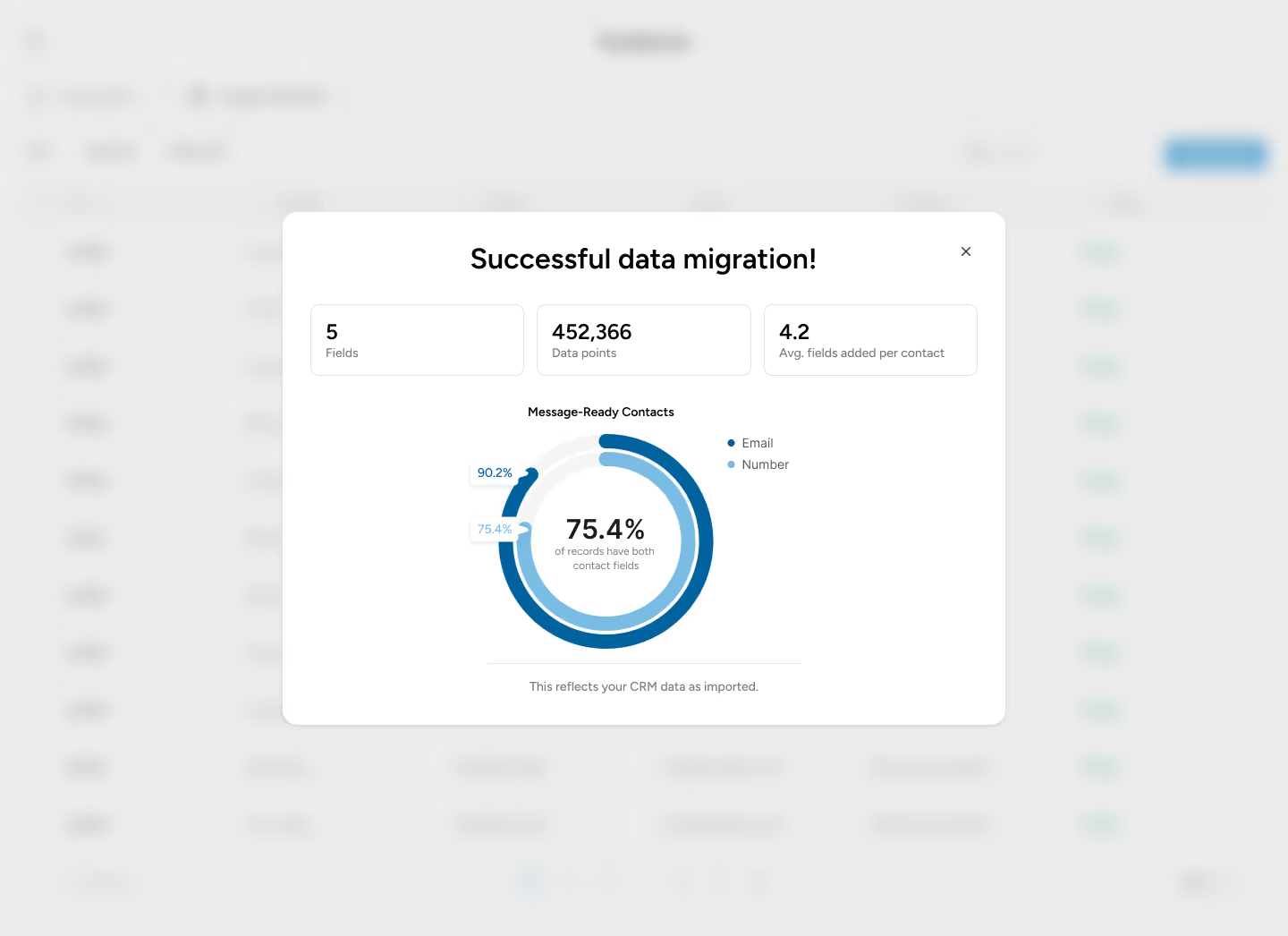
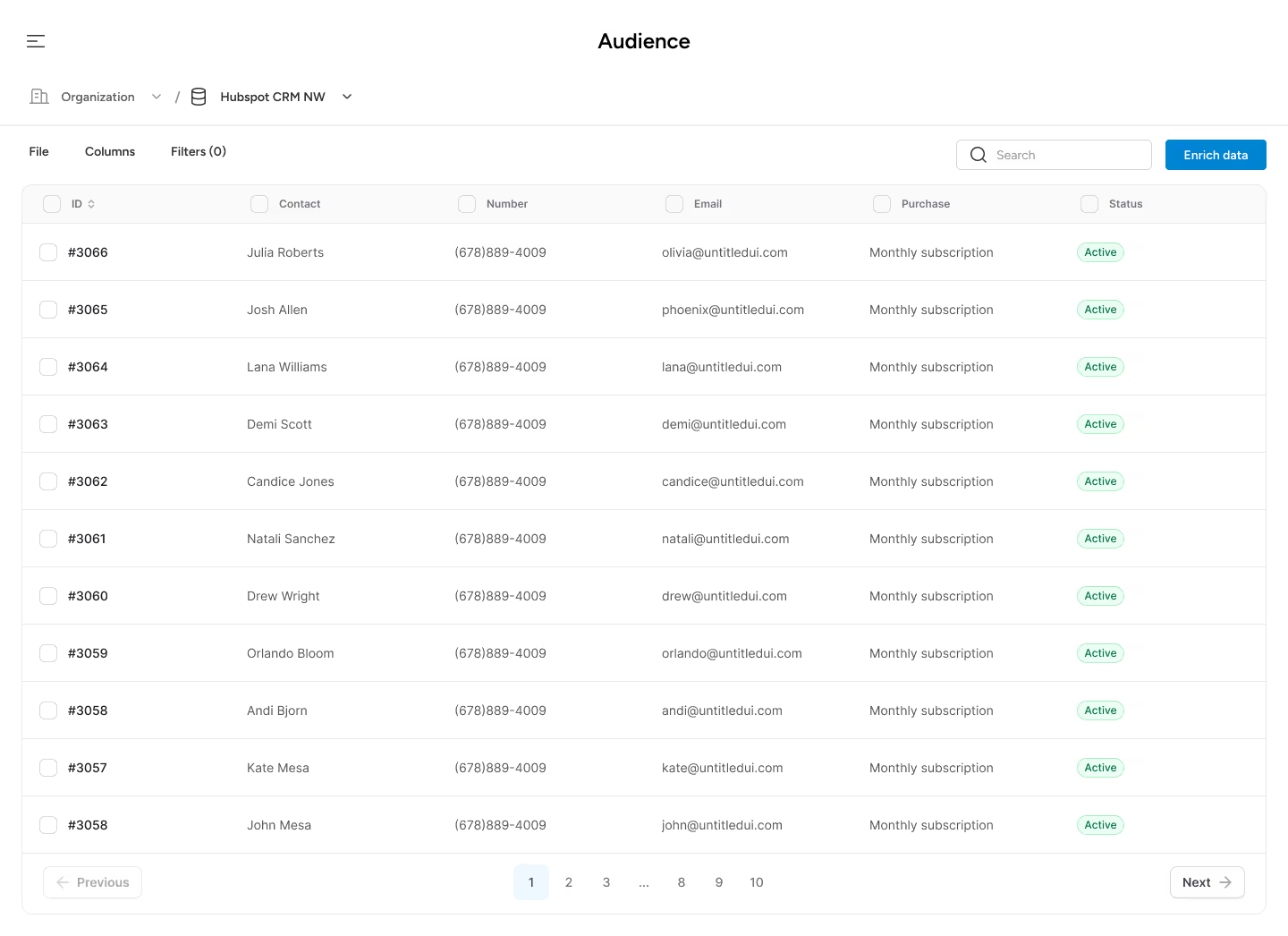
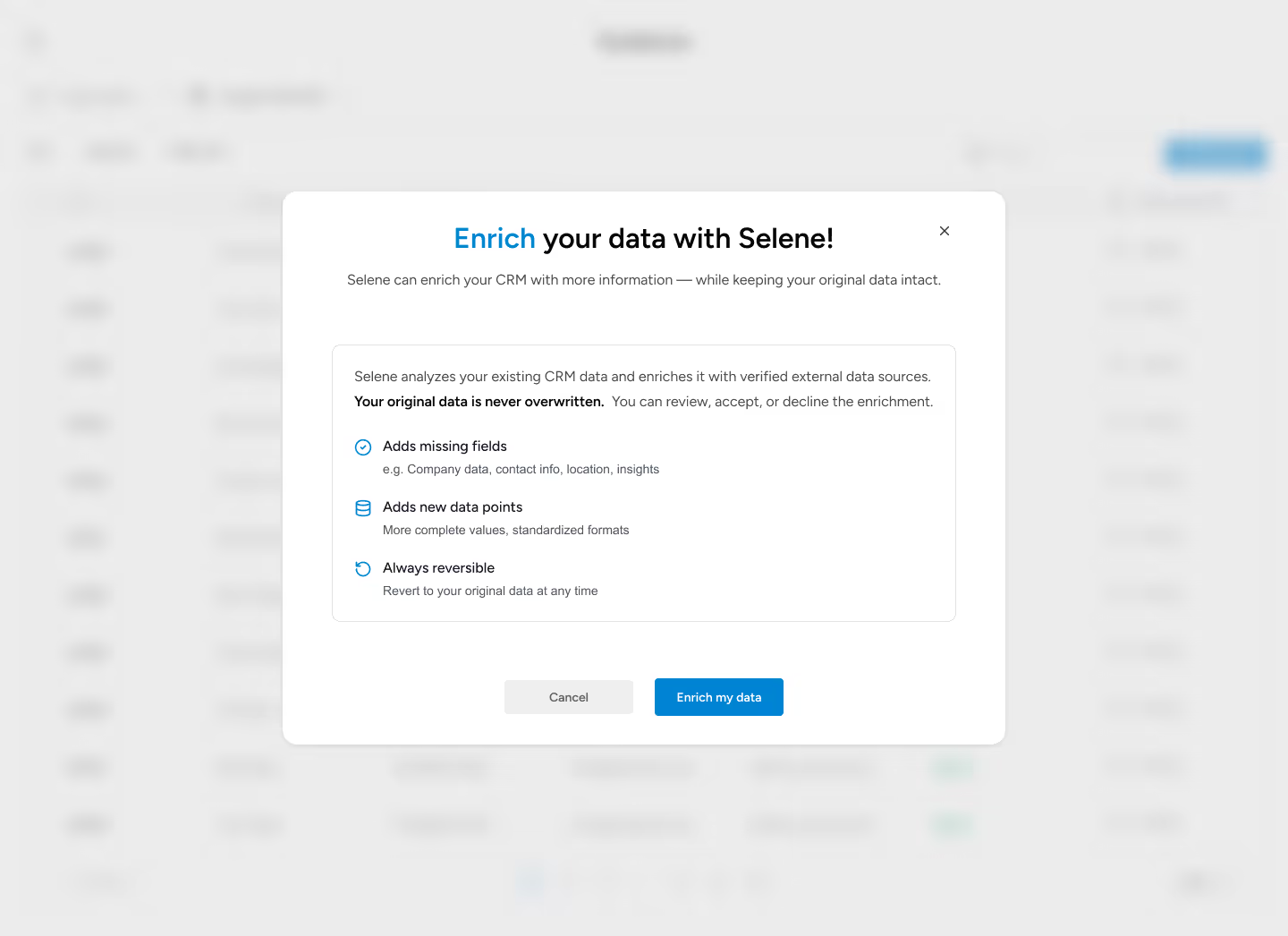
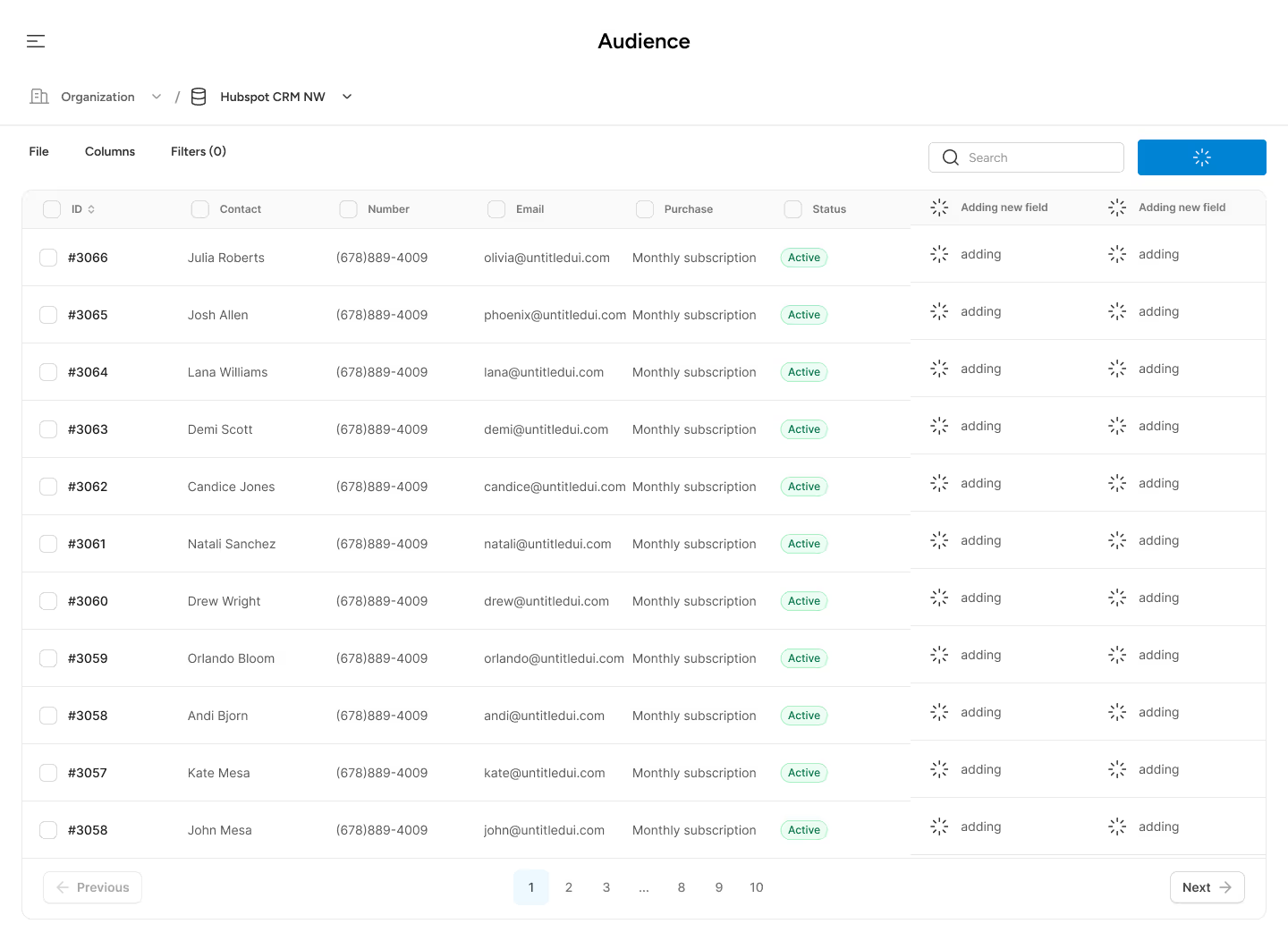
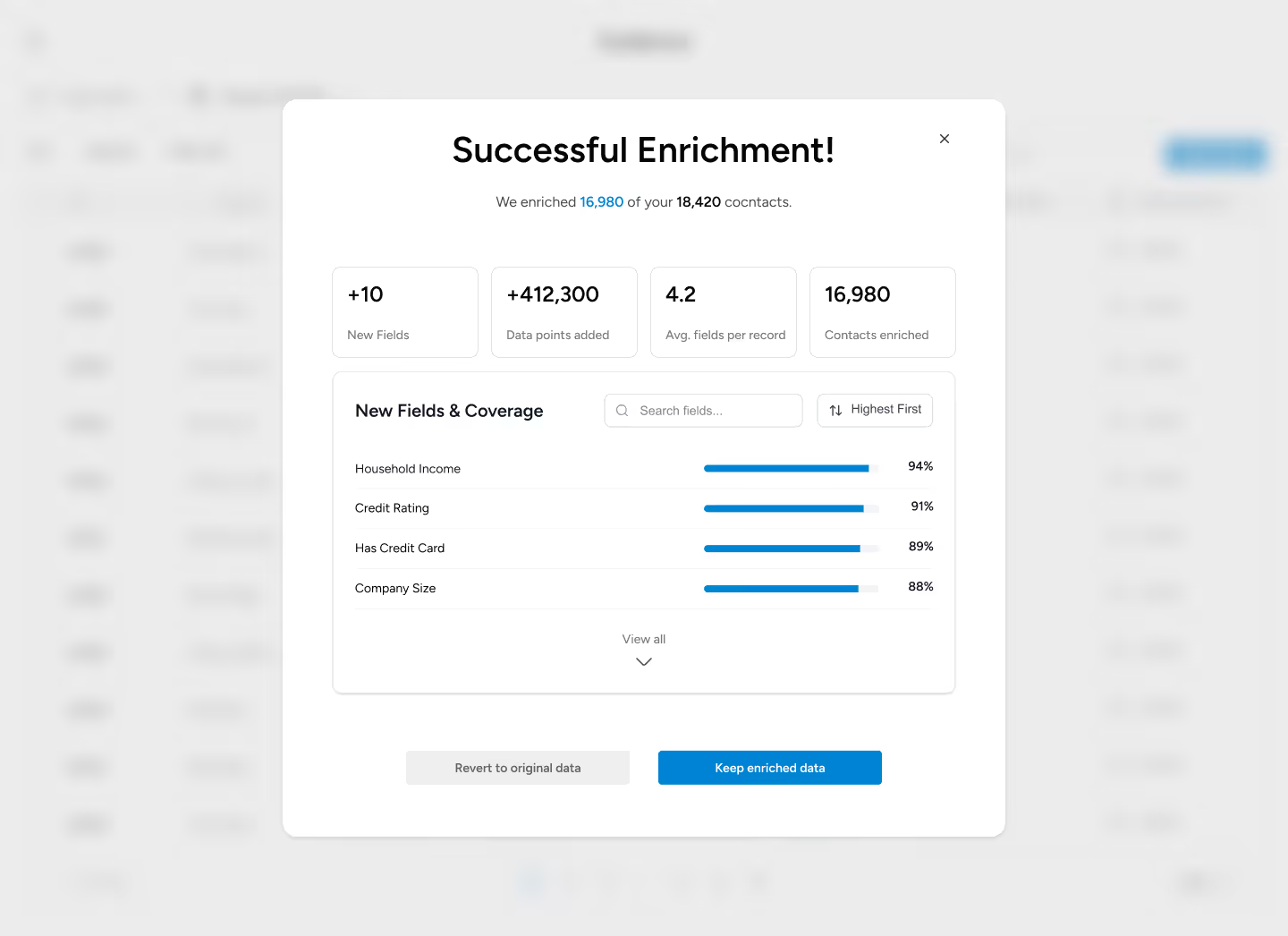
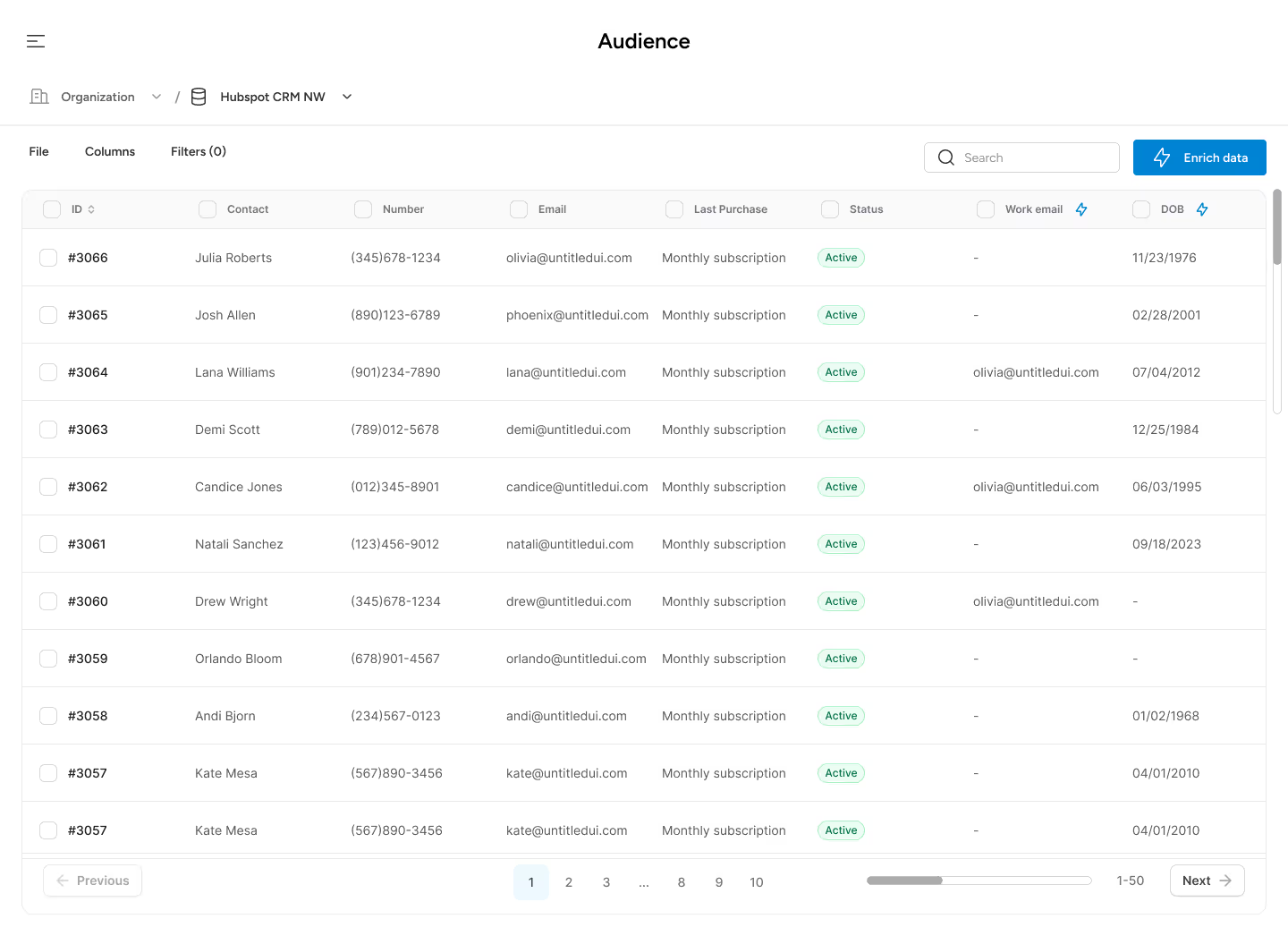
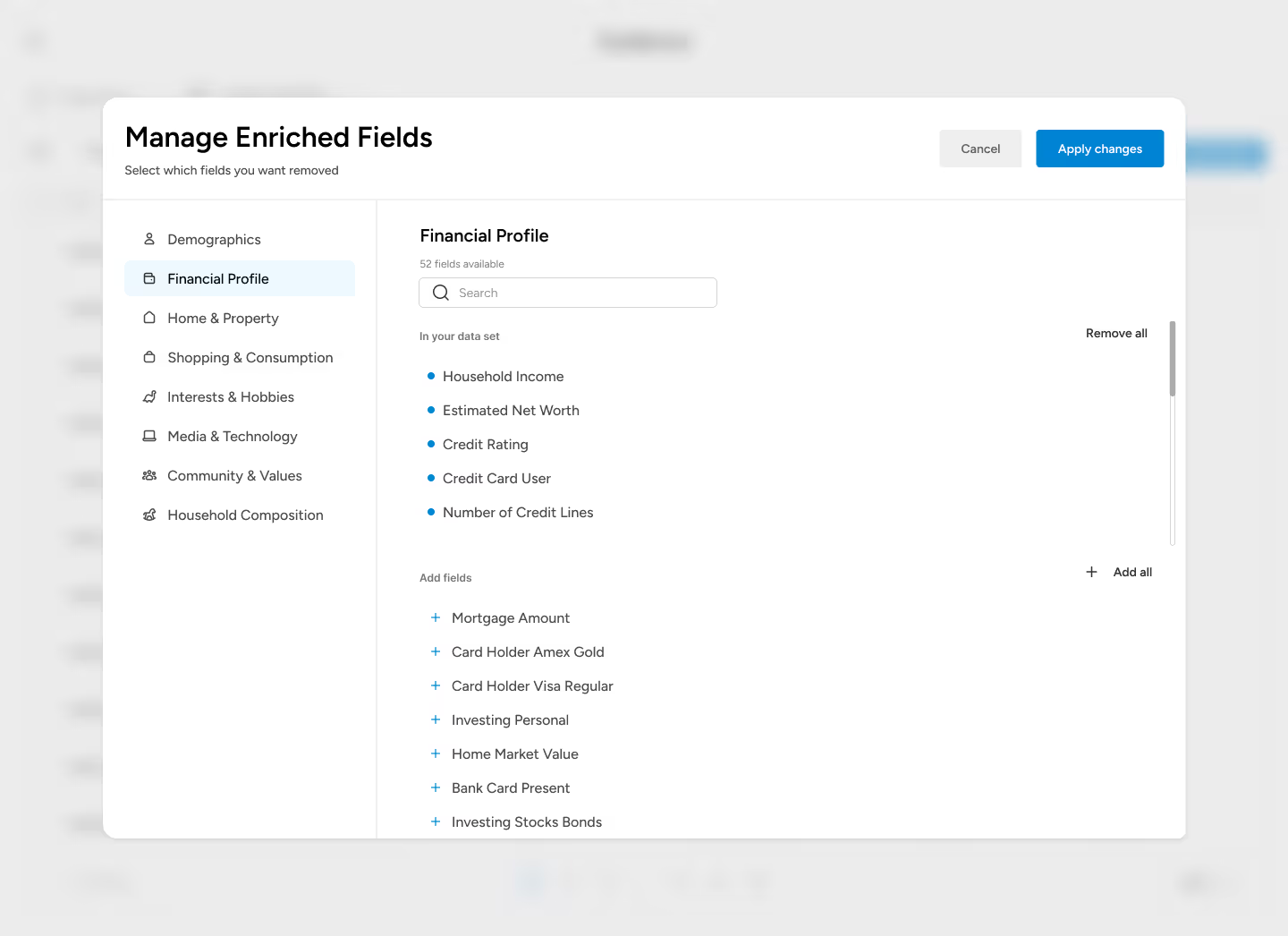
The audience page is where users connect and shape their customer data. They can integrate CRMs, map fields to align with Selene’s structure, and apply constraints to filter datasets into meaningful “segments.”
Segments allow teams to define precise audience groups—like location, or purchase history—that can later be applied directly to campaigns. This gives users full control over how data flows into their marketing efforts, ensuring every message is sent to the right audience with accuracy and intent.
Selene is just getting started
The screens above represent the core system: the foundation of the product that get AI generated campaigns fucnitoning. The product is currently in development to build the demo for user showcases! More to come in the near future.